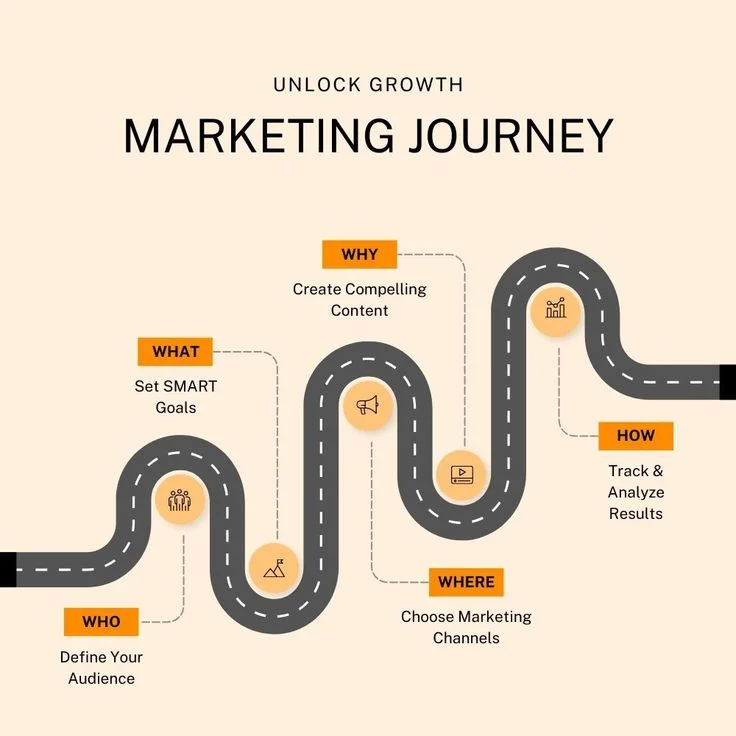
How Do You Even Begin?
There's a good chance you’ve searched for “becoming a digital marketer” at 1 AM, sifted through tons of articles, then slammed your laptop ready to give up because of the information overload. Maybe you finished school, but don't want to commit to corporate life. Or maybe you don't want to stay permanently stuck behind a desk at a job you hate. You could even just be a stay-at-home parent who wants to build a flexible career. No matter how you ended up here, you all have one thing in common. You all believe digital marketing has the most potential career growth opportunities. Just look how popular online marketing is, not just among large corporations, but also all the small shops that bring in some extra cash. Why not you?
There is definitely not an information deficit. In fact, there is such an overflow of information that it’s hard to know what to believe between the countless blog posts, payment gated courses, and YouTube videos that all think they have the answer. What we have put together for you here is different. We have broken our complete, month-by-month digital marketing plan into twelve months and built it off real data from 2026 to shape it how the industry will look to help real candidates hit the job market ready and prepared.
Why Self-Taught Digital Marketers Usually Fail

Let's first understand the roadblocks before looking at the roadmap. The first thing self-taught marketers do is try to learn everything at once. Without focusing on specific skills, they attempt to learn SEO, paid ads, email marketing, and design, just to name a few. The second issue arises from how they educate themselves. This group is highly unlikely to run a campaign or build a portfolio. In fact, they are likely to binge-watch videos and tutorials about digital marketing. Obviously, they are unlikely to learn about the business side of marketing. This is very important to understand because marketing is a tool to solve business problems and make money.
The three issues mentioned above have all been taken into consideration when building this roadmap. The first issue is the most important and focuses on the order of skills learned. The second issue is addressed by ensuring the skills are learned through the completion of projects, not the passive consumption of marketing tutorials. The final issue focuses on the order of skills learned and how those skills are connected to the business side of marketing. If you follow this roadmap for twelve months, you will have a portfolio and a set of certifications that will allow you to apply for entry-level positions and even to work as a freelancer.
The 12 Month Digital Marketer Roadmap
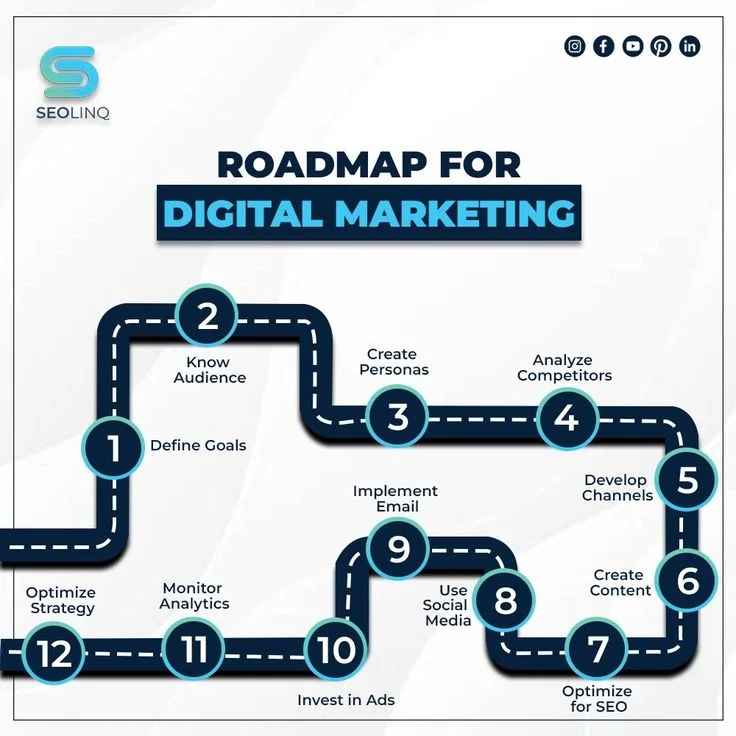
Months 1-2: Build Your Foundation
A career in Digital Marketing should start with how marketing fits and functions within a business, not learning all of the tools. These first two months of the Roadmap should be focused on the fundamentals of strategy, customer journey mapping, the development of customer personas, and the business concepts of customer acquisition cost and customer lifetime value. Along with these, you should learn Google Analytics 4 and Google Search Console. These tools are going to be integral to Data-Driven Marketing for years to come. Marketing decisions will be backed by data from these for a long time.
Complete Google's free Digital Marketing & E-commerce Certificate to understand the full landscape.
- Discover how websites, landing pages, and sales funnels work in tandem.
- Use your social media or blog as an outlet for your new skills.
- Make a habit of reading one online article per day from industry resources like Search Engine Journal, HubSpot, or Moz. Learning the lingo will help you later during your job search.
Months 3-4: Become Proficient at Search Engine Optimization (SEO)
By 2026, knowing SEO will be an essential skill for getting hired in one of the highest-paying categories of digital marketing. Organic traffic still reigns supreme. Learn about on-page SEO (title tags, meta descriptions, header structure, and internal linking), the basics of technical SEO (site speed and mobile-friendliness), and off-page SEO (backlinks and digital PR). Use free SEO tools like Google Keyword Planner and Ubersuggest, and kick off your blog posts using as much SEO as possible.
- Optimize five blog posts. Measure and record the ranking changes for one month.
- Learn how to read and interpret the Screaming Frog SEO Audit Tool, and Watch a few SEO audits.
- Learn about E-E-A-T (Experience, Expertise, Authoritativeness, Trustworthiness) and how they impact rankings.
Months 5-6: Focus on Content and Social Media Marketing
Learning and mastering digital marketing would not be complete without learning content. Spend this stage learning content marketing, the basics of copywriting, and digital marketing channels/content.
- Bring forth 8-10 original posts on a blog and a social site.
- Create a basic content calendar on a free version of Notion or Trello.
- Examine at least 3 brands and identify the strengths of their content
Months 7-8: Learn the Basics of Running Ads
This is the point where most self-learners give up. Running paid ads means spending your own money. To start, set a small budget (2,000-3,000 rupees or 20-30 dollars) to learn the basics of your first few Meta Ads and Google Ads. Understand how to structure ad campaigns, define your audience, learn the bidding process, and how to interpret your campaign dashboard without overreacting.
- Create one Meta Ads campaign and one Google Ads Search campaign.
- Learn how to find and calculate ROAS (Return on Ad Spend) and cost per lead.
- Create a case study portfolio and document your campaigns including your rationale for each decision.
Months 9-10: Learn Email Marketing and Automation
With the highest ROI, email is the leading marketing channel and learning email automation tools is a key differentiator. Email courses teach the basics of building an email list, design and writing nurture and automation sequences, and the introduction of automation (using free tools).
- Create a 5 email nurture automation sequence for a small business.
- Learn the basics of A/B testing for email subject lines and CTAs.
- Learn email list segmentation and why generic emails fail.
Month 11: Gain Certifications and Refine Your Portfolio
You should be ready to officially certify your new skills. There are many free, easy, and popular options for certifications out there. Consider Google’s Analytics and Ads Certifications, HubSpot’s Content Marketing Certification, and Meta’s Blueprint Certification. You should also take this time to build out a portfolio. This portfolio should include everything you have completed over the last 10 months, and this should be presented in a way that demonstrates ROI using metrics and data.
- Select at least 3 certifications relevant to your area of focus
- Create a one page portfolio that includes every project that includes project outcomes, the tools that were utilized for the project, and the role that you played.
- Have a mentor or peer review your portfolio.
Month 12: The Time to Apply, Market, and Make Deals
In your final month, you want to focus on the visibility you have created. Update your LinkedIn using the same SEO tactics that you used on your blog. Conduct Digital Marketing audits for small businesses in exchange for a testimonial. Focus on getting as many Internships, Freelance Projects, and Entry Level positions as possible since they are all related.
- Complete 20 or more unique job or freelance applications. Do not submit mass applications.
- Conduct 3 or more informational interviews with Digital Marketing professionals.
- Prior to any salary discussion, review Digital Marketing salaries on Glassdoor, PayScale, and LinkedIn to set salary expectations.
What Is The Earning Potential?
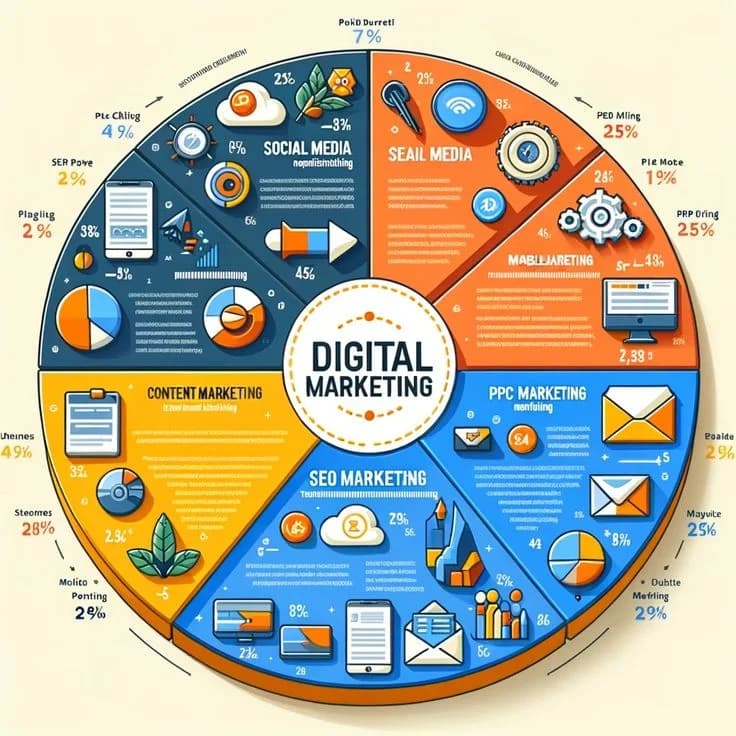
There are many factors that affect digital marketing salary expectations, including location, type of work, and size of the employer. However, the indicators for 2026 for these entry-level jobs show promising signs to skilled entrants. In India, entry-level positions in digital marketing typically pay 3-6 Lakh rupees per year, while performance marketing and SEO specialists with a strong portfolio can demand significantly greater pay in just a couple years. Freelancers earn significantly greater sums by obtaining numerous concurrent contracts.
Greater sums are obtained by freelancers, not just because of greater years of work experience, but because they bring demonstrated and measurable results.
What Skills Should Entry Level Digital Marketers Have?
- Digital Marketers Should Be Analytical.
- They Should Be Able To Communicate Well In Writing.
- They Should Be Design Literate.
- Digital Marketers, Should Be Able To Apply And Thrive In Agile Environments.
- They Should Have Good Project Management Skills.
What Digital Marketing Certifications to Pursue?
Digital marketing certifications are another recent trend to quickly filter resumes for initial review, particularly for candidates with little or no prior work experience. The digital marketing certifications we recommend are free and prestigious and will cover the gaps in the digital marketing skills roadmap.
- Google Digital Marketing & E-commerce Certificate
- Google Analytics Certification (GA4)
- Google Ads Search Certification
- HubSpot Content Marketing Certification
- Meta Blueprint Certification for Social and Ads
Common Mistakes to Avoid Along the Way
Developing a roadmap is a great first step, but there are some habits that are detrimental to your progress. Changing resources every few weeks leads to a lack of consistency and will not improve your results. Learning tools without strategy is a waste of time. Strategy is the only constant. Progress should not be compared to others. Portfolio-building should not be overlooked. Employers require demonstrated ability and won’t hire you based on certificates alone.
One of the biggest mistakes you can make is assuming this roadmap is inflexible or set in stone. If you find in Month 3 that paid ads are the most boring thing you could possibly do, and that SEO is what really excites you, then go ahead and dig deeper into SEO. The deeper you go in Month 9, the more you will learn. The key is to be broad in the beginning and focused toward the end. Employers are looking for balance in their team, so go ahead and learn across multiple channels, but really dig deep in the areas you’re most passionate about and let your skills shine.
Tools You Will Use on the Job
In addition to the platforms described in this roadmap, a digital marketer's toolkit will likely have a project management tool (like Trello, Asana, or Notion), a design tool (like Canva or Figma), a social media scheduling tool (like Buffer or Later), and a tool for campaign reporting (like Google Sheets). All of these tools are free to learn, so cost will never be a reason to delay learning these skills.
The quicker you can switch between multiple tools without becoming stressed, the more projects you will be able to complete. This is one of the main reasons the product roadmap calls for more project work rather than 'watching and learning' through the videos. Beginners who have built an email sequence have a greater understanding of email marketing than those who have not sent an email after watching 50 videos.
Freelancing vs. Full-Time: Choosing Your Path
The flexibility digital marketing offers is a great benefit. For instance, some students find that full-time work offers a robust team structure. They have the ability to learn from more experienced staff, work with larger budgets, and have access to established brands. However, some individuals prefer being a freelancer. After a reputation is developed, freelancers are in the position to pay for their work and often have a greater hourly income than some of their full-time colleagues. There is no set order that individuals must work through in their careers. Many move between the two throughout their professional careers.
If you want stability and mentorship as you gain experience, look for entry level positions at agencies or in-house positions. If you want to gain experience and confidence as quickly as possible, agencies are the best option, as they tend to provide exposure to multiple industries and help you learn faster. The agency or company you choose is going to shape your career as a whole, so really think about how you want to spend your working life. Freelancing is an option for self-disciplined people with confidence and a little bit of savings, and it allows you to work on smaller projects while you prepare yourself, as clients rarely want you to prepare yourself to 100% readiness. To start, you may choose to dive into Upwork, Fiverr, or even contact local companies directly.
Building a Personal Brand While You Learn
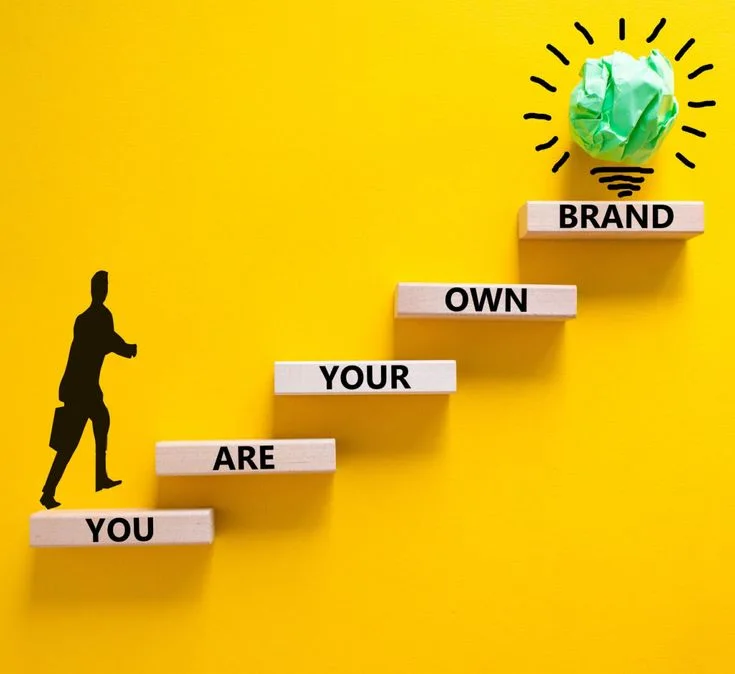
In 2026, most hiring managers will have already scoped your LinkedIn and social media accounts prior to your scheduled interview. This means your personal brand will actually be part of your application package. Use your first several blog posts and social media updates as practice. You can use your first several blog posts and social media updates as an opportunity to reflect on your experiences and what you've learned. Being honest about your learning helps you develop the skills to do this in an interview, and creates a record that helps you stand out.
Consistency outruns intensity. Your credibility will benefit more from posting one engaging update every week for a year than from a week’s worth of posts followed by a year of inactivity. Think of your personal brand as your first client. Use the same SEO and content analytics focus that you will learn to use to for others, and you will see the results in your personal brand. You will have a strong talking point in every interview.
Most queries
How long will it take to become a digital marketer in 2026?
People that follow a plan like this one become ready for the workplace in 9 to 12 months. It is not unusual for focused learners to reach that goal in as short as 6 months. However, serious portfolio building extends beyond.
Is it possible to build a digital marketing career without a degree?
Yes. Digital marketing is among the well-paid career tracks that may not need a degree. In most cases, a portfolio and digital marketing certifications will achieve that goal. The only requirement is that you can create an impact.
What is the most important digital marketing skill to learn?
Begin with SEO and content marketing, since those skills build the major components that every other digital marketing practice will depend on.
Are free courses better than taking paid ones?
Free Google, HubSpot, and Meta certifications are good enough for entry-level jobs as they have gained recognition. Free courses focus on less and spread knowledge more. Paid courses have more structure and include mentors, but are not required to enter the field.
What is the entry-level digital marketing salary in India?
Entry-level digital marketing jobs are between 3 to 6 LPA. The pay increases significantly within the first 2-3 years if employees upskill and have a good work portfolio.
Can I learn digital marketing with a full time job?
Yes, digital marketing requires 8 to 10 hours a week. This makes it possible to learn digital marketing along with other commitments.
What's stopping you from taking the next step?
Visiting websites is not enough. The successful learners are the ones who are actually taking digital marketing courses. If you want a professional digital marketing course, go for Acadvizen courses that have a structure and digital marketing mentorship with live projects and placements.