The festive season in 2026 is shaping up to be one of the most dynamic periods for e-commerce yet. With global e-commerce sales projected to surpass $6.8 trillion, driven by mobile shopping, AI integrations, and social platforms, brands that adapt to e-commerce marketing trends 2026 will capture significant market share during high-stakes holiday periods like Black Friday, Cyber Monday, Diwali, Christmas, and year-end sales.
This comprehensive guide explores the key ecommerce marketing trends 2026, with a special focus on festive season ecommerce marketing. We'll dive deep into social commerce trends 2026, influencer marketing for ecommerce, and email marketing for festive sales, providing actionable strategies, real-world examples, statistics, and implementation tips to help your brand thrive. Whether you're a small D2C brand or a large retailer, these insights will equip you for success.
The E-commerce Landscape in 2026: Why Festive Seasons Matter More Than Ever

Festive seasons have always been peak revenue periods, but in 2026, they are amplified by technological shifts and changing consumer behaviors. Shoppers expect seamless, personalized, entertaining experiences that blend discovery, social proof, and instant gratification.
Key drivers include
Mobile-first shopping: Over 70% of retail orders occur on smartphones.
AI-powered personalization and agentic commerce: AI agents handling comparisons, recommendations, and even checkouts.
Social media as the primary discovery engine: Especially for Gen Z and Millennials, who turn to platforms like TikTok and Instagram first for product research.
Festive season ecommerce marketing must capitalize on urgency, gifting psychology, and community vibes. Brands ignoring these ecommerce marketing trends 2026 risk losing out to competitors who create immersive, frictionless journeys. Social commerce, influencer collaborations, and sophisticated email campaigns are the pillars that will define winners this season.
Section 1: Social Commerce Trends 2026 – The Engine of Festive Discovery and Sales
Social commerce trends 2026 represent a massive shift: shopping is no longer just influenced by social media—it happens directly within it. Global social commerce is valued at around $2.6 trillion in 2026, with the US alone at $126.6 billion, accounting for a growing share of total e-commerce.
Platforms like TikTok Shop, Instagram Shopping, and Facebook Marketplace are maturing rapidly, offering in-app checkout, shoppable posts, and live streaming. This shortens the customer journey dramatically—discovery to purchase in seconds.
Key Social Commerce Trends for Festive 2026
Creator-Affiliate Hybrids and Shoppable Content
Creators are evolving into hybrid influencers-affiliates. Brands partner with them for authentic, shoppable videos and lives. TikTok Shop is a standout, projected to drive massive festive sales, with 51% of US social buyers using it.
During festive seasons, live shopping events explode. Viewers ask questions in real-time, see demos, and buy impulsively. Statistics show 76% of TikTok Shop livestream engagers make a purchase.
Agentic AI and Generative Search Integration
AI agents act as personal shoppers, predicting needs and completing transactions. Generative search means consumers query conversationally ("best Diwali gift under $50 for tech lovers?"), and social platforms deliver shoppable results. Brands must optimize content for these AI summaries and answer engines.
Interactive Video and Livestream Dominance
Short-form video (Reels, Shorts) and livestreams dominate festive campaigns. 46% of shoppers prefer short videos for discovery. Festive events—unboxings, gift guides, flash sales—perform exceptionally well.
Omnichannel and Headless Commerce
Seamless transitions between social, app, and website are essential. Headless architectures enable personalized experiences across channels, boosting conversions by over 50% in some cases.
Actionable Strategy for Festive Season Ecommerce Marketing
Launch "Festive Live Giftathons" on TikTok and Instagram. Collaborate with creators for themed streams (e.g., "Budget-Friendly Holiday Hauls"). Use shoppable tags extensively. Integrate AI chat for instant recommendations. Track metrics like in-app conversion rates and session time. Aim for user-generated content by encouraging shoppers to share purchases.
Invest in seamless checkout to reduce cart abandonment during peak festive traffic. Offer limited-time bundles and flash discounts visible only in social feeds.
Section 2: Influencer Marketing for Ecommerce – Building Trust and Driving Festive Conversions
Influencer marketing for ecommerce has matured into a performance-driven channel. In 2026, it's not about reach alone but authentic connections that translate into sales, especially during festive rushes when trust is paramount for gifting decisions.
Top Influencer Trends for 2026 Festive Campaigns
Rise of Nano and Micro-Influencers: These creators (1k–100k followers) deliver higher engagement (up to 10%+ on TikTok) due to niche communities and peer-like trust. Mega-influencers have lower rates. 92% of consumers trust recommendations from "people like them." Long-Term Partnerships Over One-Offs: Sustained collaborations build credibility. Brands see 70% higher engagement with ongoing relationships. Provide creators with early access to festive collections and affiliate commissions.
Social Commerce Integration: Creators drive direct sales via TikTok Shop links, YouTube Shopping, and Instagram. Live shopping events with influencers convert viewers on the spot—nearly half make unplanned purchases.
Authenticity and UGC Focus: Polished ads feel inauthentic. Audiences crave real unboxings, honest reviews, and behind-the-scenes festive prep. AI tools help with discovery and analytics but human connection wins.
Performance-Based and Measurable ROI: Tie payments to sales via affiliate links. Track attribution across channels.
Festive Implementation Ideas
Gift Guide Collaborations: Partner with micro-influencers in niches (fashion, tech, home decor) for personalized "Top 10 Festive Gifts" series.
Giveaway and Challenge Campaigns: Co-create festive challenges (e.g., #DiwaliGlowUp) with user participation.
Live Q&A and Shopping Events: Host joint livestreams for product demos and exclusive discounts.
UGC Amplification: Repurpose creator content into your ads and emails.
Budget tip: Allocate 15-20% of marketing spend here, starting with product gifting to test fit before paid deals. Focus on relevance over follower count.
Measure success beyond likes: track referral traffic, conversion rates, and repeat purchases from influencer-driven audiences.
Section 3: Email Marketing for Festive Sales – The Direct Revenue Powerhouse
While social drives discovery, email marketing for festive sales excels at nurturing, personalization, and closing deals. It's a owned channel resistant to algorithm changes, with high ROI—especially during holidays when targeted promotions shine.
Email Marketing Trends 2026 for Festive Success
Hyper-Personalization with Zero-Party Data: Use purchase history, preferences, and surveys for tailored recommendations ("Based on your love for cozy decor..."). Smart inboxes reward relevance.
AI-Driven Automation and Content: Automate abandoned carts, welcome series, birthday offers, and reactivation. AI helps with subject lines and segmentation, but add human warmth.
Interactive and Visually Rich Campaigns: Embed quizzes, countdown timers, gift finders, and shoppable elements. Optimize for dark mode and mobile.
Strategic Timing and Segmentation: Plan campaigns months ahead. Pre-tease, peak-event blasts, and post-sale follow-ups. Segment by behavior (loyal vs. lapsed, high-value). Holiday emails can drive up to 31% of annual revenue for top brands.
Focus on Retention and Loyalty: Build relationships with valuable content, not just discounts. Newsletters that educate or entertain retain subscribers better.
Festive Email Campaign Blueprint
Pre-Festive Teasers (4-6 weeks out): Gift guides, wishlists, early access.
Peak Sales Blasts: Flash sales, bundle offers, urgency ("Last chance for Diwali delivery!").
Abandoned Cart and Browse Recovery: High success during busy periods.
Post-Purchase and Thank You: Upsell related gifts, encourage reviews.
Reactivation: Win back lapsed subscribers with special festive offers.
Subject line best practices: Curiosity + Benefit + Urgency (e.g., "Unlock 30% Off Your Perfect Festive Gifts – Ends Tonight!"). Test variations. Focus on CTR, conversions, and list hygiene over raw opens.
Integrate with social and influencer efforts: Send emails featuring creator content or user stories.
Integrating the Pillars: A Cohesive Festive Strategy
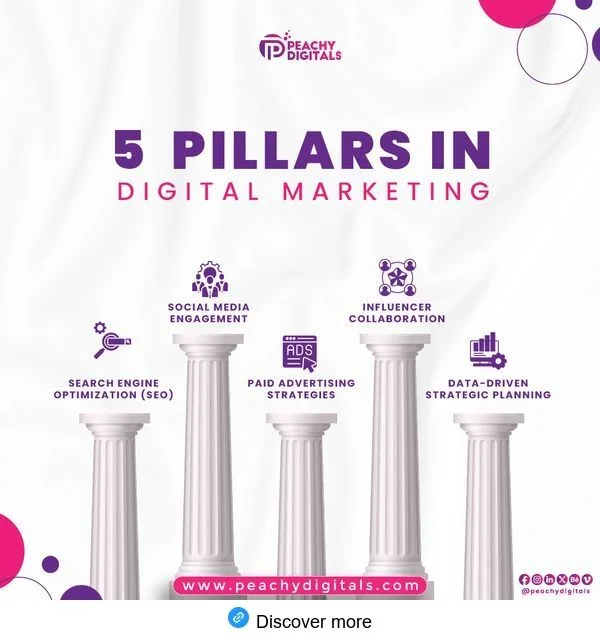
The most successful brands in festive season ecommerce marketing create synergy
Use influencers and social for awareness and discovery.
Leverage email for personalization, reminders, and loyalty.
Power everything with data and AI for seamless experiences.
Omnichannel Playbook
Build a content calendar aligning social lives, influencer drops, and email sequences.
Use unified analytics (UTM tracking, CRM integration) to attribute sales.
Offer consistent promotions across channels with exclusive social/email perks.
Prioritize mobile optimization and fast shipping—key pain points.
Test, measure, iterate: A/B test creatives, timing, and offers.
Additional emerging trends: Sustainability messaging (eco-friendly gifts), AR try-ons for festive apparel/jewelry, and community-building via groups or events.
Challenges and How to Overcome Them
Ad Fatigue and Privacy: Combat with value-first content and first-party data.
Competition: Differentiate through niche influencer partnerships and hyper-targeted emails.
Technical Hurdles: Invest in headless setups and reliable automation tools.
Budget Allocation: Prioritize high-ROI channels like email and micro-influencers.
Conclusion: Prepare Now for Festive Dominance in 2026
Ecommerce marketing trends 2026 emphasize speed, authenticity, personalization, and seamless social integration. By mastering social commerce trends 2026, influencer marketing for ecommerce, and email marketing for festive sales, your brand can create memorable shopping experiences that drive not just sales but lasting loyalty.
Start planning today: Audit your social presence, build influencer relationships, segment your email list, and test AI tools. The festive season rewards proactive brands that deliver joy, convenience, and value.
With the right mix of innovation and customer-centricity, this could be your most successful holiday yet. Monitor performance closely, stay agile, and let data guide optimizations.
- What are the top ecommerce marketing trends in 2026?
Answer: The biggest ecommerce marketing trends in 2026 include AI-powered personalization, social commerce, influencer collaborations, email automation, short-form video marketing, live shopping, and omnichannel customer experiences.
- Why is social commerce important during the festive season?
Answer: Social commerce allows customers to discover and purchase products directly through platforms like Instagram, Facebook, and TikTok, reducing the buying journey and increasing festive sales.
- How can influencer marketing boost festive sales?
Answer: Influencers help brands build trust, reach targeted audiences, and showcase products through authentic content, leading to higher engagement and better conversion rates during festive campaigns.
- Is email marketing still effective for ecommerce in 2026?
Answer: Yes. Personalized email campaigns, abandoned cart reminders, festive offers, and product recommendations continue to deliver one of the highest returns on investment (ROI) for ecommerce businesses.
- What types of festive email campaigns perform best?
Answer: Early-bird offers, countdown emails, flash sale announcements, personalized product recommendations, cart recovery emails, and post-purchase follow-ups are among the most effective.
- How does AI improve ecommerce marketing during festive sales?
Answer: AI helps analyze customer behavior, recommend relevant products, automate marketing campaigns, optimize pricing, and personalize shopping experiences, resulting in higher conversions.
- Which social media platforms are best for festive ecommerce marketing?
Answer: Instagram, Facebook, YouTube, TikTok (where available), and Pinterest are excellent platforms for showcasing festive collections, running ads, collaborating with influencers, and driving sales.
- How early should ecommerce businesses prepare for festive marketing campaigns?
Answer: Businesses should begin planning at least 6–8 weeks before the festive season to prepare inventory, design creatives, schedule campaigns, collaborate with influencers, and test promotional strategies.
- What metrics should businesses track during festive ecommerce campaigns?
Answer: Key metrics include website traffic, conversion rate, click-through rate (CTR), return on ad spend (ROAS), average order value (AOV), customer acquisition cost (CAC), email open rate, and revenue generated.
- How can small ecommerce businesses compete during festive sales?
Answer: Small businesses can focus on niche audiences, create attractive festive bundles, partner with micro-influencers, use personalized email marketing, leverage social commerce, and provide excellent customer service to stand out.