The digital marketing landscape is evolving at an unprecedented pace, and one technology is leading this transformation: Artificial Intelligence (AI). In 2026, businesses of all sizes are leveraging AI-powered solutions to improve customer experiences, automate repetitive tasks, optimize campaigns, and generate better marketing results. What was once considered a futuristic concept has now become an essential part of modern marketing strategies.
From personalized recommendations and AI-generated content to predictive analytics and intelligent customer support, AI is reshaping how brands connect with their audiences. Companies that adopt AI in Digital Marketing are gaining a significant competitive advantage by delivering more relevant experiences, increasing efficiency, and improving return on investment (ROI).
In this comprehensive guide, we will explore how Artificial Intelligence Marketing is transforming the digital marketing industry in 2026, the latest innovations, benefits, challenges, and future opportunities for marketers.
What is Artificial Intelligence in Digital Marketing?
Artificial Intelligence refers to computer systems that can perform tasks requiring human intelligence, such as learning, reasoning, problem-solving, and decision-making.
In digital marketing, AI helps businesses analyze large amounts of customer data, identify patterns, predict behaviors, and automate marketing activities.
Instead of relying solely on manual efforts, marketers can now use AI Marketing Tools to make smarter decisions, improve targeting, and deliver personalized experiences at scale.
AI technologies used in marketing include
Machine Learning
Natural Language Processing (NLP)
Predictive Analytics
Computer Vision
Conversational AI
Recommendation Engines
These technologies are helping organizations achieve better marketing outcomes while reducing operational complexity.
Why AI is Becoming Essential in 2026
Several factors have accelerated AI adoption in marketing.
Massive Growth in Customer Data
Consumers interact with brands across multiple channels, including websites, social media, mobile apps, email, and online marketplaces.
Managing and analyzing this vast amount of data manually is nearly impossible. AI can process millions of data points instantly and uncover actionable insights.
Demand for Personalization
Modern customers expect personalized experiences.
They want
Relevant recommendations
Customized offers
Personalized emails
Tailored advertisements
Artificial Intelligence Marketing enables brands to deliver these experiences automatically.
Increased Competition
Businesses are competing for customer attention more than ever before.
AI helps marketers optimize campaigns, improve customer engagement, and stay ahead of competitors.
Marketing Automation Requirements
Organizations need efficient ways to manage complex marketing operations.
AI Marketing Tools automate repetitive tasks, allowing marketers to focus on strategy and creativity.
AI-Powered Personalization: The Future of Customer Experience
One of the biggest advantages of AI in Digital Marketing is personalization.
Customers are more likely to engage with content that matches their interests and preferences.
AI analyzes
Browsing behavior
Purchase history
Search activity
Social media interactions
Demographic information
Using this data, businesses can deliver highly personalized experiences.
Personalized Product Recommendations
E-commerce platforms use AI to recommend products based on previous purchases and browsing patterns.
Examples include
Online shopping websites
Streaming platforms
Food delivery apps
These recommendations increase customer satisfaction and drive higher conversions.
Dynamic Website Experiences
AI can customize website content for individual visitors.
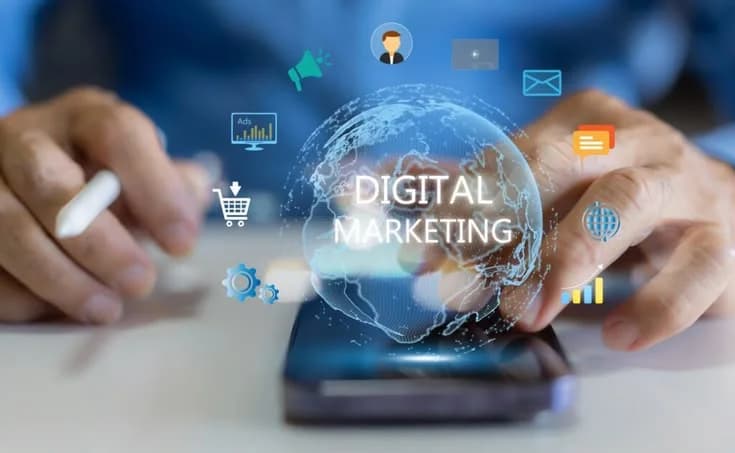
Different users may see
Different banners
Customized offers
Personalized landing pages
Relevant content recommendations
This improves engagement and conversion rates.
AI Content Creation is Changing Marketing
Content remains the foundation of digital marketing.
In 2026, AI-generated content is helping marketers create content faster while maintaining quality.
Blog Writing
AI assists marketers with
Topic research
Blog outlines
Content drafting
SEO optimization
Human creativity combined with AI efficiency creates high-performing content strategies.
Social Media Content
AI helps generate
Captions
Hashtags
Post ideas
Content calendars
Marketers can maintain consistent posting schedules while reducing workload.
Video Content Generation
Video marketing continues to dominate digital channels.
Modern AI Marketing Tools can
Create video scripts
Generate voiceovers
Edit videos
Produce short-form content
This makes video creation more accessible for businesses.
AI in Search Engine Optimization (SEO)
Search Engine Optimization remains critical for online visibility.
AI is transforming how SEO strategies are developed and executed.
Keyword Research
AI tools identify
High-performing keywords
Search trends
User intent
Content gaps
This helps marketers create content that aligns with audience needs.
Content Optimization
AI analyzes content and provides recommendations for
Readability improvements
Keyword placement
Internal linking
Search intent alignment
Predictive SEO
AI predicts future search trends based on historical data and user behavior patterns.
This allows businesses to create content before competitors identify emerging opportunities.
As part of the leading Digital Marketing Trends 2026, AI-powered SEO is becoming a standard practice.
AI-Powered Advertising and Campaign Management
Paid advertising has become increasingly sophisticated due to AI.
Platforms use machine learning algorithms to optimize ad performance automatically.
Smart Audience Targeting
AI identifies users most likely to convert.
It analyzes
Interests
Online behavior
Purchase intent
Demographics
This improves ad efficiency and reduces wasted spending.
Automated Bidding
AI adjusts bids in real time based on campaign objectives.
Benefits include
Better ROI
Improved conversions
Reduced manual effort
Ad Creative Optimization
AI can test multiple ad variations and identify the highest-performing creatives.
Marketers gain valuable insights into audience preferences.
Conversational AI and Customer Support
Customer communication is evolving rapidly.
AI-powered chatbots and virtual assistants are now handling millions of customer interactions daily.
24/7 Customer Service
Businesses can provide support around the clock without increasing staffing costs.
Customers receive immediate responses regardless of time zones.
Faster Response Times
AI chatbots answer common questions instantly.
This improves customer satisfaction and reduces wait times.
Lead Generation
Conversational AI helps qualify leads and collect customer information before transferring conversations to sales teams.
This enhances marketing and sales alignment.
Predictive Analytics: Making Smarter Marketing Decisions
One of the most powerful applications of Artificial Intelligence Marketing is predictive analytics.
Predictive analytics uses historical data to forecast future outcomes.
Customer Behavior Prediction
AI can predict
Purchase likelihood
Churn risk
Customer lifetime value
Product preferences
This allows marketers to take proactive actions.
Campaign Performance Forecasting
AI estimates how campaigns will perform before launch.
Marketers can allocate budgets more effectively and minimize risk.
Sales Forecasting
Organizations use predictive analytics to anticipate future demand and optimize marketing strategies.
AI in Email Marketing
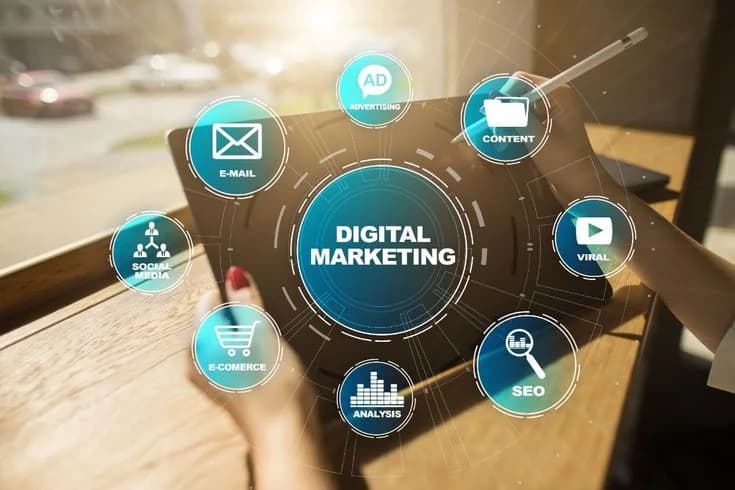
Email remains one of the highest-performing marketing channels.
AI enhances email campaigns through automation and personalization.
Personalized Email Content
AI generates customized email content based on customer behavior.
This improves
Open rates
Click-through rates
Conversion rates
Smart Send Times
AI determines the best time to send emails to individual recipients.
Messages arrive when customers are most likely to engage.
Automated Campaigns
AI automatically triggers emails based on customer actions, such as
Abandoned carts
Product views
Purchases
Renewals
Social Media Marketing Powered by AI
Social media platforms generate massive amounts of user data.
AI helps marketers leverage this data effectively.
Social Listening
AI monitors conversations across social networks and identifies
Customer sentiment
Trending topics
Brand mentions
Industry discussions
Content Recommendations
AI suggests content topics likely to perform well with target audiences.
Performance Analysis
AI provides detailed insights into campaign effectiveness and audience engagement.
These capabilities are shaping the future of Digital Marketing Trends 2026.
Benefits of AI in Digital Marketing
Organizations implementing AI in Digital Marketing experience numerous benefits.
Increased Efficiency
AI automates repetitive tasks, allowing teams to focus on strategic initiatives.
Better Customer Experiences
Personalized interactions improve customer satisfaction and loyalty.
Improved ROI
AI optimizes marketing investments and increases campaign effectiveness.
Data-Driven Decision Making
Marketers gain access to actionable insights generated from large datasets.
Scalability
AI enables businesses to manage growing marketing operations without significantly increasing resources.
Challenges of AI Adoption in Marketing
Despite its advantages, AI implementation comes with challenges.
Data Privacy Concerns
Businesses must ensure compliance with data protection regulations.
Quality of Data
AI systems require accurate and reliable data to perform effectively.
Integration Complexity
Organizations may face difficulties integrating AI into existing systems.
Skill Gaps
Marketers need training to effectively use advanced AI Marketing Tools.
Addressing these challenges is essential for maximizing AI benefits.
Future of Artificial Intelligence Marketing
The future of marketing will be increasingly AI-driven.
Key developments expected beyond 2026 include
Hyper-Personalization
Marketing experiences will become even more individualized.
Voice Search Optimization
AI-powered voice assistants will influence search behavior and content strategies.
Advanced Customer Journey Mapping
AI will provide deeper insights into customer interactions across channels.
Generative AI Expansion
Content creation will become faster and more sophisticated.
Real-Time Marketing Intelligence
Businesses will make instant decisions based on continuously updated data.
These innovations will continue transforming how brands engage with customers.
Why Learn AI-Driven Digital Marketing Skills?
As AI adoption grows, marketers who understand AI technologies will be in high demand.
Learning AI-powered marketing skills can help professionals
Improve career prospects
Stay competitive in the job market
Increase productivity
Deliver better campaign results
Adapt to changing industry trends
Educational platforms such as Acadvizen and other professional training providers are increasingly incorporating AI-focused modules into digital marketing programs to prepare learners for the future workforce.
Conclusion
Artificial Intelligence is no longer a futuristic concept—it is a fundamental component of modern marketing success. From content creation and SEO to predictive analytics, customer support, and advertising, AI is transforming every aspect of digital marketing in 2026.
Businesses embracing AI in Digital Marketing are gaining a significant competitive advantage through automation, personalization, and data-driven decision-making. The rise of Artificial Intelligence Marketing has enabled brands to connect with customers more effectively while improving operational efficiency and ROI.
As innovative AI Marketing Tools continue to evolve, marketers must adapt to stay relevant in an increasingly competitive environment. Understanding these technologies and keeping pace with the latest Digital Marketing Trends 2026 will be essential for businesses and professionals seeking long-term success in the digital age.
By embracing AI today, organizations can build smarter marketing strategies, deliver exceptional customer experiences, and unlock new opportunities for growth in the years ahead.