Introduction
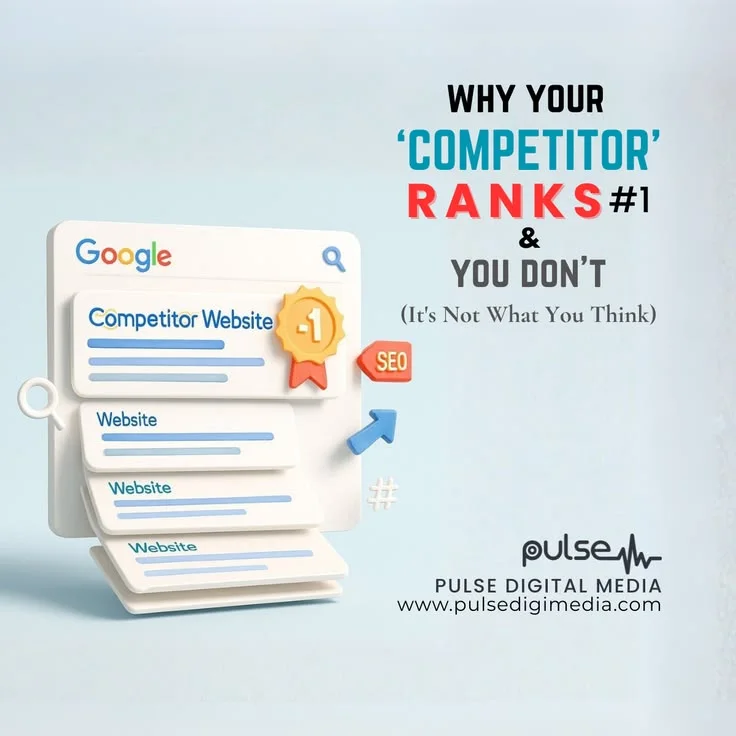
Search Engine Optimization (SEO) has changed dramatically over the past few years. In 2026, ranking on Google isn't just about adding keywords to your website—it's about delivering valuable, user-focused content while ensuring your site meets modern technical standards.
[IMAGE_1]
With the rise of Google AI Overviews, Answer Engine Optimization (AEO), voice search, and AI-powered search assistants, businesses that rely on outdated SEO practices are losing valuable organic traffic.
Many website owners invest significant time and money into creating websites but still struggle to appear on the first page of search results. Often, the issue isn't a lack of effort—it's avoidable SEO mistakes that prevent search engines from understanding and ranking their content effectively.
Whether you're running a business website, an e-commerce store, or a blog, avoiding common SEO mistakes can dramatically improve your visibility, attract more qualified visitors, and generate better leads.
In this guide, we'll explore the top SEO mistakes that could be costing your website traffic in 2026 and show you how to fix them.
Why SEO Mistakes Matter More Than Ever
[IMAGE_2]
Search engines are becoming smarter every year.
Google now evaluates websites based on
Content quality
Search intent
User experience
Website speed
Mobile usability
Helpful content
Structured data
Trust and authority
AI-friendly content
A single SEO mistake may not hurt your rankings immediately, but multiple issues can significantly reduce your website's visibility over time.
Some common consequences include
Lower Google rankings
Reduced website traffic
Higher bounce rates
Poor user engagement
Fewer leads and sales
Decreased online visibility
The good news is that most SEO mistakes can be identified and corrected with the right strategy.
Mistake #1: Ignoring Search Intent
What Is Search Intent?
Search intent refers to the reason behind a user's search query.
When someone searches
"Best SEO course near me"
"How to learn digital marketing"
"SEO checklist PDF"
They each have different goals.
Google prioritizes content that directly answers the user's intent rather than simply matching keywords.
Types of Search Intent
Informational
The user wants information.
Examples
What is SEO?
How does Google ranking work?
What is digital marketing?
Navigational
The user wants to visit a specific website.
Examples
Acadvizen
Google Analytics Login
WordPress Dashboard
Commercial Investigation
The user is comparing products or services.
Examples
Best digital marketing course
SEO tools comparison
Top AI marketing tools
Transactional
The user wants to take action.
Examples
Enroll in SEO course
Buy SEO software
Book digital marketing consultation
Why This Hurts SEO
Many websites create content around keywords without understanding what users actually want.
For example
Keyword
"Best SEO tools"
Wrong Content
"What is SEO?"
Correct Content
A detailed comparison of SEO tools, pricing, features, and recommendations.
Google rewards content that satisfies user intent.
How to Fix It
✔ Understand what users are looking for.
✔ Analyze Google's first-page results.
✔ Match your content format with search intent.
✔ Answer users' questions clearly.
✔ Include FAQs.
✔ Update old content regularly.
Mistake #2: Poor Keyword Research
Keyword research remains one of the most important aspects of SEO.
Unfortunately, many beginners either
Target extremely competitive keywords
Ignore long-tail keywords
Stuff keywords unnaturally
Never research search volume
Common Keyword Mistakes
Targeting Only High-Competition Keywords
Ranking for
"SEO"
is far more difficult than ranking for
"SEO course in Bangalore"
or
"Best SEO training for beginners."
Long-tail keywords often attract more qualified visitors.
Ignoring User Questions
People search in conversational language.
Examples
How do I improve SEO?
Why is my website not ranking?
How long does SEO take?
Creating content around these questions increases your chances of appearing in AI-generated search results and featured snippets.
Keyword Stuffing
Years ago, repeating keywords helped rankings.
Today, excessive keyword repetition can harm readability and user experience.
Instead of writing
SEO is the best SEO because SEO helps SEO businesses improve SEO rankings.
Write naturally
A strong SEO strategy helps businesses improve visibility, attract targeted traffic, and increase conversions.
How to Fix It
Use
Primary keyword
Related keywords
Semantic keywords
Question-based keywords
Location-based keywords (if applicable)
Focus on writing naturally while covering the topic comprehensively.
Mistake #3: Not Optimizing for AI Search & Zero-Click Results
SEO has evolved beyond traditional blue links.
Google increasingly answers questions directly through
AI Overviews
Featured Snippets
Knowledge Panels
People Also Ask
Voice Search
If your content isn't optimized for these features, you may miss valuable visibility—even if your page ranks well.
What Is Zero-Click Search?
A zero-click search occurs when users get the answer directly on the search results page without clicking a website.
For example
"What is SEO?"
[IMAGE_3]
Google may display a concise AI-generated answer at the top of the page.
How to Optimize for AI Search
Write clear answers
Start sections with concise definitions or direct responses.
Use structured headings
Organize content with H2 and H3 headings to help search engines understand your page.
Add FAQs
Frequently Asked Questions improve your chances of appearing in AI-generated summaries and People Also Ask sections.
Use schema markup
Schema helps search engines interpret your content and may improve visibility in rich results.
Keep content updated
Fresh, accurate information is more likely to be featured by AI-powered search systems.
Mistake #4: Slow Website Speed
Website speed has a direct impact on user experience and SEO.
If your pages take too long to load, visitors often leave before engaging with your content.
A slow website can lead to
Higher bounce rates
Lower conversions
Reduced search rankings
Poor user satisfaction
Common Causes of Slow Websites
Large image files
Too many plugins
Unoptimized code
Slow hosting
Excessive JavaScript
No browser caching
How to Improve Website Speed
Compress images before uploading.
Enable browser caching.
Minify CSS and JavaScript files.
Use a Content Delivery Network (CDN).
Choose reliable hosting.
Remove unnecessary plugins.
Implement lazy loading for images.
Improving page speed benefits both users and search engines.
Mistake #5: Poor Mobile Experience
More than half of global web traffic now comes from mobile devices. Google uses mobile-first indexing, meaning it primarily evaluates the mobile version of your website for ranking purposes.
A site that performs poorly on smartphones can lose rankings, traffic, and potential customers.
Mistake #6: Publishing Low-Quality or Thin Content
Content remains one of the strongest ranking factors in SEO, but not all content is valuable. Publishing short, repetitive, or AI-generated articles without adding original insights can hurt your website's credibility.
Google's Helpful Content System prioritizes content that demonstrates expertise, experience, authority, and trustworthiness (E-E-A-T). Websites filled with thin or duplicated content often struggle to maintain strong rankings.
Signs of Low-Quality Content
Articles under 500 words without depth.
Duplicate content across multiple pages.
Outdated information.
Poor grammar and formatting.
No real value or actionable advice.
Overuse of AI-generated text without human editing.
How to Fix It
Create detailed, well-researched articles.
Include real-world examples and case studies.
Use original images, charts, or screenshots where possible.
Keep content updated with the latest trends.
Focus on solving users' problems rather than simply targeting keywords.
Quality content builds trust with both users and search engines.
Mistake #7: Ignoring Technical SEO
Even excellent content may not rank if search engines cannot crawl or index your website properly.
Technical SEO ensures your website is accessible, secure, and easy for search engines to understand.
Common Technical SEO Issues
Broken links (404 errors)
Missing XML sitemap
Incorrect robots.txt settings
Duplicate title tags
Missing meta descriptions
HTTPS not enabled
Crawl errors
Poor Core Web Vitals
Redirect chains
How to Fix It
Regularly audit your website using SEO tools and
Submit an XML sitemap to Google Search Console.
Fix broken links.
Improve Core Web Vitals.
Use HTTPS across your website.
Remove duplicate pages.
Optimize canonical tags.
Monitor indexing issues.
A technically healthy website provides a strong foundation for long-term SEO success.
Mistake #8: Poor Internal Linking
Many website owners focus only on backlinks but overlook the importance of internal links.
Internal linking helps users navigate your website while allowing search engines to discover and understand the relationship between pages.
Why Internal Links Matter
Internal links help
Improve page authority distribution.
Increase time spent on the website.
Reduce bounce rates.
Guide visitors to related content.
Help search engines crawl your website more efficiently.
Best Practices
Link to relevant blog posts naturally.
Use descriptive anchor text.
Avoid excessive internal links on one page.
Create topic clusters around important subjects.
Ensure every important page receives internal links.
For example, if you publish a blog on Google Ads, link it to related articles about SEO, Content Marketing, or Analytics.
Mistake #9: Poor On-Page SEO Optimization
[IMAGE_4]
On-page SEO helps search engines understand the content and relevance of your pages.
Many websites ignore basic optimization practices, making it harder for Google to interpret their content.
Common On-Page SEO Mistakes
Missing title tags.
Duplicate titles.
Weak meta descriptions.
Multiple H1 headings.
Missing image alt text.
Poor URL structure.
Large image sizes.
No structured headings.
On-Page SEO Checklist
✔ Include your primary keyword in the title.
✔ Write compelling meta descriptions.
✔ Use only one H1 heading.
✔ Organize content with H2 and H3 headings.
✔ Optimize image file names and alt text.
✔ Keep URLs short and descriptive.
✔ Add internal and external links.
✔ Use schema markup where appropriate.
Strong on-page SEO improves both search rankings and user experience.
Mistake #10: Never Updating Old Content
SEO is not a one-time activity. Search trends, algorithms, and user expectations change continuously.
If your website contains outdated information, rankings may decline over time.
Why Content Updates Matter
Refreshing content can
Improve rankings.
Increase organic traffic.
Enhance user trust.
Keep information accurate.
Improve click-through rates.
What to Update
Statistics and data.
Screenshots.
Tools and software recommendations.
Broken links.
Meta titles and descriptions.
FAQs.
New industry developments.
Updating older articles is often easier and more effective than creating new content from scratch.
SEO Checklist for 2026
Use this checklist to keep your website optimized
Content
Publish original, high-quality content.
Match search intent.
Update old articles regularly.
Add FAQs.
Include relevant keywords naturally.
Technical SEO
Submit XML sitemap.
Fix crawl errors.
Improve Core Web Vitals.
Enable HTTPS.
Optimize robots.txt.
Use canonical tags.
On-Page SEO
Optimize title tags.
Write engaging meta descriptions.
Use structured headings.
Add image alt text.
Optimize URLs.
Include internal links.
User Experience
Improve page speed.
Make the website mobile-friendly.
Reduce intrusive pop-ups.
Simplify navigation.
Improve readability with short paragraphs and bullet points.
AI & Modern SEO
Optimize for AI Overviews.
Use structured data (Schema Markup).
Target featured snippets.
Answer common user questions.
Build topical authority through related content.
Final Thoughts
SEO in 2026 is about creating a website that serves both users and search engines. While algorithms continue to evolve, the fundamentals remain the same: provide valuable content, ensure a fast and mobile-friendly experience, and maintain a technically sound website.
Avoiding common SEO mistakes such as poor keyword research, weak content, technical issues, and outdated pages can significantly improve your visibility in search results. Remember that SEO is an ongoing process, not a one-time task. Regular audits, content updates, and adapting to new search trends—especially AI-powered search—will help your website stay competitive.
At Acadvizen, we empower students, professionals, and businesses with practical digital marketing and SEO training. By mastering modern SEO strategies, you can build websites that attract more visitors, generate quality leads, and achieve sustainable online growth.
Conclusion
Every SEO mistake is an opportunity to improve. Start by auditing your website, fixing the most critical issues, and focusing on delivering exceptional value to your audience. Consistent optimization, high-quality content, and a user-first approach are the keys to long-term SEO success.
If you're ready to learn advanced SEO techniques and stay ahead in the digital marketing industry, Acadvizen can help you build the skills needed to succeed.
SEO Title
Top SEO Mistakes That Are Costing Your Website Traffic in 2026 | Acadvizen
Meta Description
Discover the top SEO mistakes that could be hurting your website traffic in 2026. Learn practical SEO tips, technical fixes, and best practices to improve rankings, boost organic traffic, and grow your online presence with Acadvizen.
URL Slug
top-seo-mistakes-costing-website-traffic-2026
Primary Keyword
Top SEO Mistakes
Secondary Keywords
SEO Mistakes 2026
Website SEO Tips
Improve Website Traffic
SEO Best Practices
Frequently Asked Questions (FAQs)
- What is the biggest SEO mistake in 2026?
Ignoring search intent and creating content that doesn't meet user expectations is one of the most common and costly SEO mistakes.
- How often should I update my website content?
Review important pages every 3–6 months and update them whenever there are changes in industry trends, statistics, or search intent.
- Does website speed affect SEO rankings?
Yes. A fast-loading website improves user experience and supports better rankings, especially when combined with good Core Web Vitals.
- Is mobile optimization still important?
Absolutely. Since Google uses mobile-first indexing, a mobile-friendly website is essential for achieving and maintaining strong search rankings.
- Can AI-generated content rank on Google?
AI-generated content can rank if it is accurate, original, helpful, and thoroughly reviewed by humans. Simply publishing unedited AI text is unlikely to perform well.
- Why is internal linking important?
Internal links help search engines understand your site structure, distribute page authority, and guide users to related content, improving both SEO and engagement.
- How long does it take to see SEO results?
SEO is a long-term strategy. Depending on your website's competition and optimization efforts, noticeable improvements typically take 3 to 6 months, with continued growth over time.