
Think of digital marketing as a wheel with eight spokes
SEO
Content writing
Local SEO
Paid ads
Visual content
Email marketing
Analytics
Social media
Each spoke has three popular tools. You don't need all 24. You need the right few for your goal. Here's how each spoke works.
- SEO: Get Found Without Paying for Every Click
Tools: Ahrefs, Semrush, Screaming Frog
SEO means showing up on Google when someone searches for what you offer. The best SEO tools answer three questions: what are people searching, what are my competitors ranking for, and what is broken on my site?
Ahrefs is great for keyword research and spying on backlinks. If a competitor gets traffic from a page, you can see exactly which one.
Semrush is like a Swiss Army knife: keywords, audits, position tracking and competitor research in one place.
Screaming Frog crawls your website like Google would and lists broken links, missing meta tags, duplicate titles and slow redirects.
Why people use them: Because writing a blog without keyword research is like opening a shop in a street nobody walks down.
Benefit in one line: Free, long-term traffic that keeps working while you sleep.
- Content Writing: Create Faster, Sound Better
Tools: ChatGPT, Grammarly, Surfer
Content is the engine. Every blog, ad, email and caption starts as words.
ChatGPT helps you brainstorm topics, build outlines, draft, rewrite and repurpose. Treat it as a smart assistant, not a replacement for your brain.
Grammarly catches typos, awkward sentences and tone problems before your audience does.
Surfer compares your draft with pages already ranking on Google and tells you what to add: headings, related terms, ideal length.
Why people use them: Publishing consistently is hard. These tools cut the time from idea to published post.
Benefit in one line: More content, cleaner writing, better chances of ranking.
A warning: If you paste AI output straight onto your website, your content will sound like everybody else's. Add your own examples, opinions and experience. That's what readers and Google trust.
- Local SEO: Win the Customers Nearby
Tools: Google Business Profile, BrightLocal, LocalFalcon
If you run a coaching centre, salon, clinic, restaurant or any local service, this is possibly the highest-return spoke.
Google Business Profile is your free listing on Google Search and Maps. Photos, reviews, hours, posts, services: fill every field.
BrightLocal tracks local rankings, listings and reviews.
LocalFalcon shows a map grid of where you rank. You might be number one on your street and invisible a few kilometres away.
Why people use them: Someone searching "near me" usually wants to visit or call soon. That is high-intent traffic.
Benefit in one line: More calls, walk-ins and direction requests from people ready to act.
- Paid Ads: Buy Speed
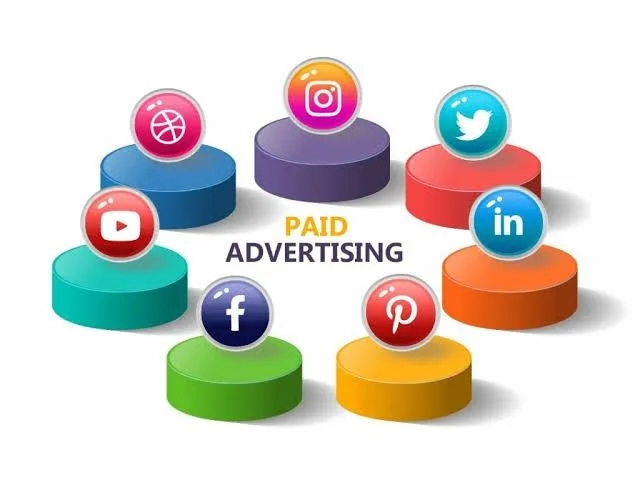
Tools: Google Ads, TikTok Ads, Meta
SEO takes months. Ads take minutes to launch.
Google Ads catches people while they search. Great for high-intent leads.
Meta Ads (Facebook and Instagram) target by interest, location, age and behaviour. Great for lead generation and retargeting.
TikTok Ads reach younger, video-first audiences.
Why people use them: You can test a product, offer or audience quickly, with a budget you control.
Benefit in one line: Fast traffic and fast learning, as long as your landing page is good.
- Visual Content: Make People Stop Scrolling
Tools: Canva, Adobe Express, Figma
Canva makes designing posts, thumbnails, posters and presentations easy for non-designers.
Adobe Express is a quick, template-based alternative with Adobe's ecosystem behind it.
Figma is for layouts: landing pages, website mockups and app screens, with real-time team collaboration.
Why people use them: A strong visual can lift ad clicks and post engagement more than any clever caption.
Benefit in one line: Professional, consistent branding without hiring a full design team.
- Email Marketing: The Channel You Actually Own
Tools: Brevo, Mailchimp, ActiveCampaign
Social platforms can change their algorithm overnight. Your email list stays yours.
Mailchimp is beginner-friendly with good templates.
Brevo combines email, SMS and CRM features in one platform.
ActiveCampaign shines in automation: send different follow-ups based on what a person clicks or does.
Why people use them: Most visitors don't buy on day one. Email marketing tools let you follow up automatically until they're ready.
Benefit in one line: Turn one-time visitors into repeat customers with automated, personal follow-up.
- Analytics: Stop Guessing
Tools: Google Analytics, Looker Studio, Hotjar
Google Analytics tells you who visits, from where, and what they do.
Looker Studio turns messy numbers into clear dashboards you can share with a boss or client.
Hotjar shows heatmaps and session recordings. You literally watch where people click, scroll and quit.
Why people use them: Without analytics, you can't tell if your marketing is working. You're just busy.
Benefit in one line: Know what to keep, what to fix and what to stop.
- Social Media: Stay Consistent Without Burning Out
Tools: Buffer, Sprout Social, Hootsuite
Good social media management tools solve one problem: posting regularly across platforms without living on your phone.
Buffer is simple and clean for scheduling.
Sprout Social is strong for teams: shared inbox, approvals, listening and reports.
Hootsuite manages many networks in one dashboard.
Why people use them: Consistency builds trust. Scheduling protects consistency.
Benefit in one line: A full month of content planned in one sitting.
The Real Benefits of Using These Tools
Put all of it together and, done properly, you get
Time saved: automation handles the repetitive work
Smarter decisions: data replaces guesswork
Better targeting: the right message reaches the right person
Higher ROI: you can see which rupee or dollar produced which result Consistency: your brand shows up every week, not once in a while Growth without a huge team: one skilled marketer can do a lot
A Simple Digital Marketing Strategy You Can Follow
Tools without a plan are just expensive tabs. Here is a simple digital marketing strategy that works for most businesses.
Step 1: Choose one goal. Leads? Sales? Course admissions? Pick one main goal for the next 90 days.
Step 2: Set up tracking first. Install Google Analytics and set up conversion tracking before you spend anything.
Step 3: Research before creating. Use Ahrefs or Semrush to find 20 to 30 keywords your customers actually search.
Step 4: Create useful content. Write posts that answer real questions. Use ChatGPT for the draft, Surfer to optimise, Grammarly to polish, and Canva for visuals.
Step 5: Capture leads. Add a simple form or lead magnet so visitors can leave their email.
Step 6: Nurture. Set up a three to five email welcome sequence in Mailchimp, Brevo or ActiveCampaign.
Step 7: Amplify. Schedule posts with Buffer or Hootsuite, and put a small paid budget behind your best content on Meta or Google.
Step 8: Review every week. Check your dashboard. Double down on what works. Cut what doesn't.
Repeat. That loop is the whole game.
Why Your Digital Marketing Tools Are Not Working
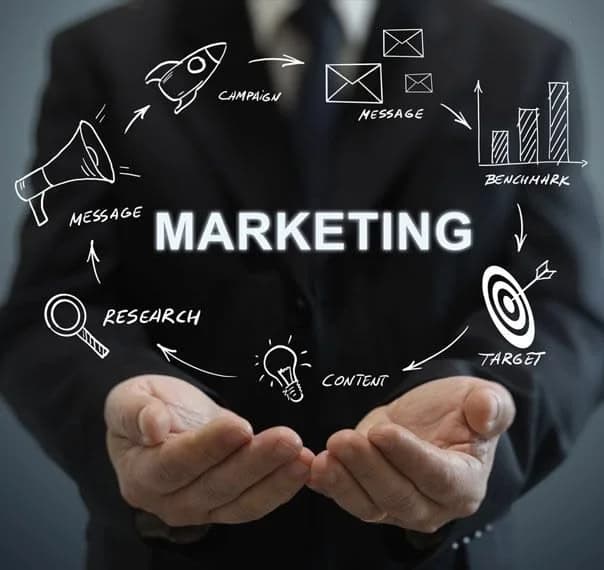
Here's the part nobody puts in the infographic. Let's talk about why people spend money on tools and still see zero results.
- You have tools, but no strategy
Buying a subscription feels like progress. It isn't. If you can't say in one sentence what you're trying to achieve, no tool can help.
- You are using too many tools at once
Ten tools at surface level lose to two tools mastered. Start small.
- Your basics are weak
A slow website, confusing offer or poor landing page will kill even the best ad. Fix the foundation before adding tools.
- You are copying AI content without adding value
Generic content doesn't rank and doesn't convince. Add real experience, real examples, and check your facts.
- Nobody is reading the data
Looking at a dashboard isn't the same as acting on it. Every report should end with a decision: keep, change or stop.
- Tracking is broken
Wrong conversion events, missing UTM tags or no thank-you page tracking mean you can't tell what worked. Good campaigns end up looking like failures.
- You lack the skill to use the tool properly
Tools don't teach strategy. Knowing why you'd choose a keyword, how to structure a campaign or how to segment an email list comes from learning, practice and real projects. That is why skill development matters as much as software.
- You quit too early
SEO, email lists and brand trust take months. Many people give up in week three, right before things begin to move.
- You never test
Different headlines, images, audiences, subject lines and offers: testing is how average campaigns become good ones.
- Wrong tool for your stage
An expensive enterprise platform is wasted on a one-person business, and a free plan can hold back a growing team. Match the tool to your size, budget and goal.
The fix: one goal, a small stack, proper learning, weekly reviews, steady testing.
Which Tools Should You Start With?
Not sure where to begin? Use this as a starting point.
Just starting out: Google Analytics, Google Business Profile, Canva, ChatGPT, Grammarly Running a small business: add one SEO tool (Semrush or Ahrefs), one email tool (Mailchimp or Brevo), Looker Studio and either Meta Ads or Google Ads
Managing multiple clients or a team: add Surfer, Screaming Frog, ActiveCampaign, Sprout Social or Hootsuite, Hotjar and Figma Local business: start with Google Business Profile, then BrightLocal and LocalFalcon Use free trials. Cancel anything you haven't opened in a month.
Your 30-Day Action Plan
Week 1: Foundation. Set up Google Analytics and your Google Business Profile. Define your goal and your audience.
Week 2: Research. Pick your keywords with an SEO tool. Plan four blog topics and a month of social posts.
Week 3: Create and schedule. Write and design your content. Schedule it through your social tool. Set up a simple welcome email.
Week 4: Launch and measure. Run a small ad test. Review your analytics. Write down three things that worked and three that didn't.
Then repeat, improving each round.
Final Thoughts
The best digital marketing tools of 2026 are powerful, but they're just that: tools. They make a good strategy faster and a bad strategy more expensive. The marketers who win are those who pick a few tools, learn them deeply, measure honestly and keep improving.
So don't chase every logo on the wheel. Choose the spoke that matches your goal today, master it, then move to the next.
Master the right tools. Build the right skills. The results will follow.
Quick FAQ
Which is better, Ahrefs or Semrush?
Both are excellent. Ahrefs is often loved for backlink data, and Semrush for its all-in-one range of features. Try both trials and pick the one that fits your workflow.
Do I need paid tools to start?
No. Google Analytics, Google Business Profile, Looker Studio and free plans of design and email tools are enough to start.
Is ChatGPT enough for content writing?
It's a strong assistant, but pair it with your own expertise, fact-checking and an editing tool for the best results.
How many tools should I use?
As few as needed to reach your goal. Three to five is plenty for most beginners.
What's the number one reason tools fail?