7 AI Tools Every Digital Marketer Must Master in 2026
Introduction: The Shift from Effort to Intelligence
Marketing has always evolved with technology, but 2026 marks a turning point that is deeper than any previous shift. What once required teams, time, and repetitive effort is now being handled by intelligent systems that learn, adapt, and respond faster than humans ever could. Digital marketing is no longer about how much you can produce, but how intelligently you can produce it. This is where artificial intelligence becomes not just a tool, but a partner in decision-making.
In the past, marketers competed on creativity and execution speed. Today, they compete on how effectively they use AI to understand human behavior, predict intent, and deliver personalized experiences at scale. The rise of AI tools has transformed every aspect of digital marketing, from content creation to customer engagement, from SEO to paid advertising. Understanding the best AI tools for digital marketing in 2026 for beginners and professionals alike is no longer optional; it is the foundation of staying relevant in a highly competitive landscape.
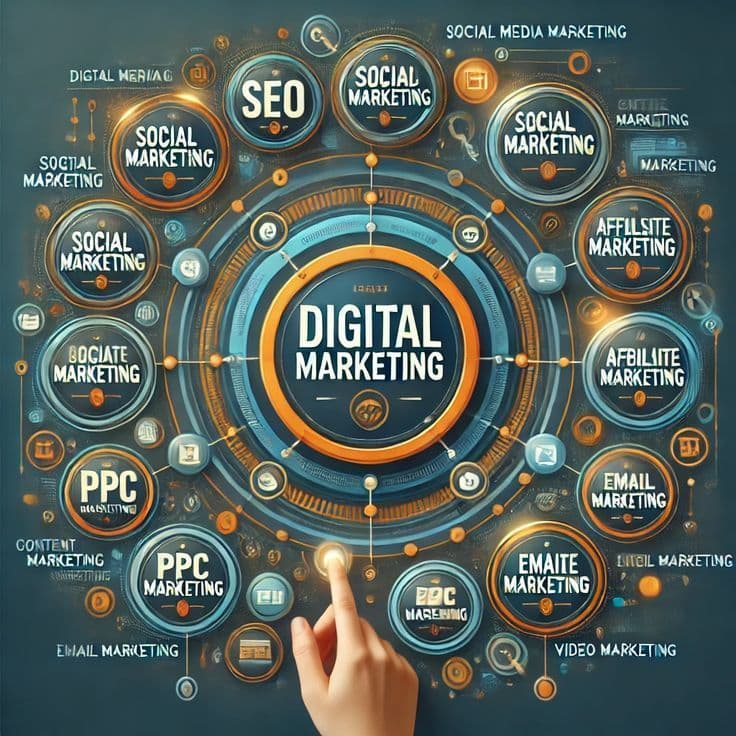
The Evolution of Digital Marketing in the Age of AI
The modern consumer does not behave the way they did even a few years ago. They expect instant answers, hyper-personalized recommendations, and seamless digital experiences. This shift has made traditional marketing methods feel slow and inefficient. Artificial intelligence bridges this gap by enabling marketers to respond to user needs in real time, often before the user fully articulates them.
This transformation explains why the demand for top AI tools every digital marketer should learn in 2026 is growing rapidly. AI tools are no longer limited to automation; they are now deeply integrated into strategy, creativity, and performance optimization. They analyze vast amounts of data, identify patterns, and generate insights that would take humans significantly longer to discover. As a result, marketers who embrace AI are not just working faster; they are making smarter decisions.
ChatGPT: The Thinking Engine Behind Modern Marketing
Among all AI tools, ChatGPT stands out as one of the most transformative innovations for digital marketers. It functions as a cognitive assistant that helps generate ideas, write content, and even build strategies. Unlike traditional tools that perform single tasks, ChatGPT adapts to multiple roles, making it essential for anyone looking to understand how to use AI tools for digital marketing step by step.
When a marketer uses ChatGPT, they are not simply outsourcing writing tasks; they are enhancing their thinking process. It helps refine messaging, identify audience pain points, and create content that aligns with both SEO and generative search expectations. In a world where content must be both human-friendly and AI-readable, ChatGPT bridges that gap effectively.
Visual AI Tools: Redefining Creativity Without Boundaries
The importance of visual content has grown exponentially, especially with the dominance of platforms like Instagram, YouTube, and short-form video ecosystems. Tools like Midjourney and DALL·E have changed how marketers approach design by removing traditional limitations. You no longer need advanced design skills to create compelling visuals; you only need the ability to think creatively and communicate that vision to AI.
This shift has made affordable AI tools for content creation and marketing automation in 2026 more accessible than ever. Businesses that once relied heavily on design teams can now produce high-quality visuals in minutes. This does not eliminate the need for creativity; instead, it amplifies it. The role of the marketer evolves from execution to direction, where ideas matter more than technical skills.
AI-Powered SEO Tools: From Keywords to Context
Search engine optimization has undergone a significant transformation in recent years. The focus has moved away from keyword stuffing and backlinks toward context, intent, and user experience. AI-powered SEO tools like Surfer SEO and Clearscope are at the forefront of this evolution, helping marketers understand what truly makes content rank.
These tools analyze search behavior, competitor strategies, and content structure to provide actionable insights. They are particularly valuable for marketers looking to leverage AI tools for SEO, ads, and social media marketing in 2026. Instead of guessing what works, marketers can rely on data-driven recommendations that align with how search engines and AI systems interpret content.
Jasper AI: Scaling Content Without Losing Quality
Content remains the backbone of digital marketing, but the challenge has always been maintaining quality while scaling production. Jasper AI addresses this challenge by enabling marketers to create high-performing content efficiently. It is not just about generating text; it is about maintaining consistency, tone, and strategic alignment across multiple campaigns.
In a competitive digital environment, speed alone is not enough. Content must resonate with the audience while also being optimized for search engines and AI platforms. Jasper AI helps achieve this balance, making it an essential tool for marketers who want to stay ahead in 2026.
Runway ML: Transforming Video Marketing
Video content continues to dominate digital platforms, and tools like Runway ML are redefining how videos are created and edited. What once required expensive software and technical expertise can now be achieved with minimal effort. AI-powered video tools allow marketers to create engaging content that captures attention and communicates messages effectively.
The ability to produce high-quality video content quickly gives marketers a significant advantage. As attention spans decrease, the demand for visually engaging content increases. AI tools make it possible to meet this demand without compromising on quality or creativity.
HubSpot AI: Automating Relationships, Not Just Tasks
Marketing is not just about attracting customers; it is about building relationships. HubSpot AI enhances this aspect by automating customer interactions while maintaining a personalized touch. It helps manage leads, nurture relationships, and optimize communication strategies.
This is particularly important in a world where personalization is a key driver of customer engagement. AI allows marketers to understand user behavior at a deeper level and deliver experiences that feel tailored and meaningful. The ability to automate without losing the human element is what makes tools like HubSpot AI invaluable.
AdCreative AI: Precision in Paid Advertising
Paid advertising has always been about testing and optimization, but AI tools like AdCreative AI take this to a new level. They analyze performance data and generate ad creatives that are more likely to convert. This reduces guesswork and improves campaign efficiency.
For marketers, this means better results with less effort. Instead of manually testing multiple variations, AI can predict which creatives will perform best. This not only saves time but also maximizes return on investment, making it a crucial tool for modern digital marketing strategies.
How to Use AI Tools for Digital Marketing Step by Step
Using AI tools effectively requires a structured approach. The first step is understanding your goals, whether it is increasing traffic, generating leads, or improving conversions. Once the objective is clear, the next step is selecting the right tools that align with those goals.
Content creation comes next, where tools like ChatGPT and Jasper AI can be used to generate high-quality material. This content should then be optimized using SEO tools to ensure visibility. Visual elements can be created using design AI tools, followed by automation through platforms like HubSpot. Finally, performance analysis helps refine strategies and improve results over time.
Benefits of Using AI Tools in Digital Marketing
The benefits of AI in digital marketing extend beyond efficiency. One of the most significant advantages is speed, as tasks that once took hours can now be completed in minutes. This allows marketers to focus on strategy rather than execution.
Another key benefit is precision. AI tools analyze data and provide insights that lead to better decision-making. This results in more effective campaigns and improved outcomes. Additionally, AI enhances creativity by providing new ideas and perspectives, helping marketers think beyond conventional approaches.
Scalability is another major advantage. Businesses can handle larger campaigns without increasing resources, making it easier to grow and expand. Ultimately, AI provides a competitive edge by enabling marketers to stay ahead in an ever-evolving digital landscape.
Which AI Tools Help Digital Marketers Get Jobs Faster in 2026
The demand for AI skills in digital marketing is growing rapidly. Companies are looking for professionals who can leverage AI tools to drive results. Understanding how to use these tools effectively can significantly improve job prospects.
Skills in content creation, SEO, automation, and data analysis are highly valued. Marketers who can combine these skills with AI tools are more likely to stand out in the job market. This makes learning AI not just a professional advantage, but a necessity for career growth.
Conclusion: The Future Belongs to Intelligent Marketers
The rise of AI in digital marketing is not just a trend; it is a fundamental shift in how marketing operates. Tools will continue to evolve, but the core principle remains the same: those who adapt will thrive, and those who resist will fall behind.
In 2026, success in digital marketing is not defined by how much work you do, but by how intelligently you approach it. AI tools are not replacing marketers; they are redefining what it means to be one. The future belongs to those who can think strategically, act creatively, and use technology to amplify their impact.
Ultimately, mastering AI tools is not about keeping up with change; it is about leading it.